
Smoking, Vaping and Chronic Disease in England: Why Smoking History Matters
A study of 7,625 adults in the Health Survey for England 2022, published in the Journal of Epidemiology and Population Health, found higher adjusted odds of chronic disease and multimorbidity among smokers, former smokers, dual users and e-cigarette users who previously smoked — with dual users having more than twice the odds of higher multimorbidity than never users.
Read Article →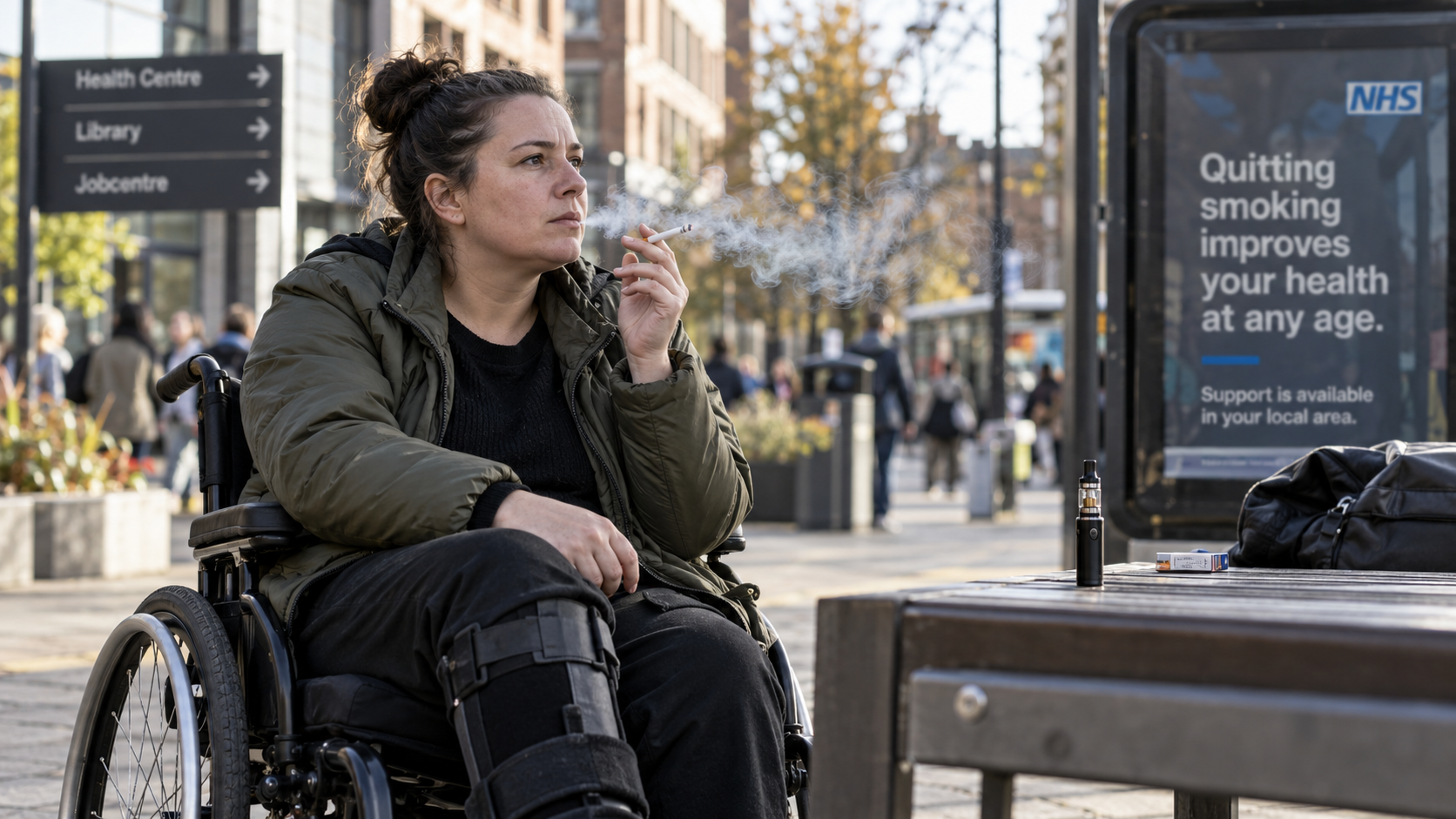
Disability, Smoking and Vaping in the UK: What Our New Study Found
A longitudinal study of 19,609 UK adults in Understanding Society, published in Nicotine & Tobacco Research, found that functional disability was not associated with later exclusive vaping or dual use — but was linked to a higher relative likelihood of taking up exclusive cigarette smoking (adjusted RRR 1.41), rising to 1.67 among people reporting two or more disability domains.
Read Article →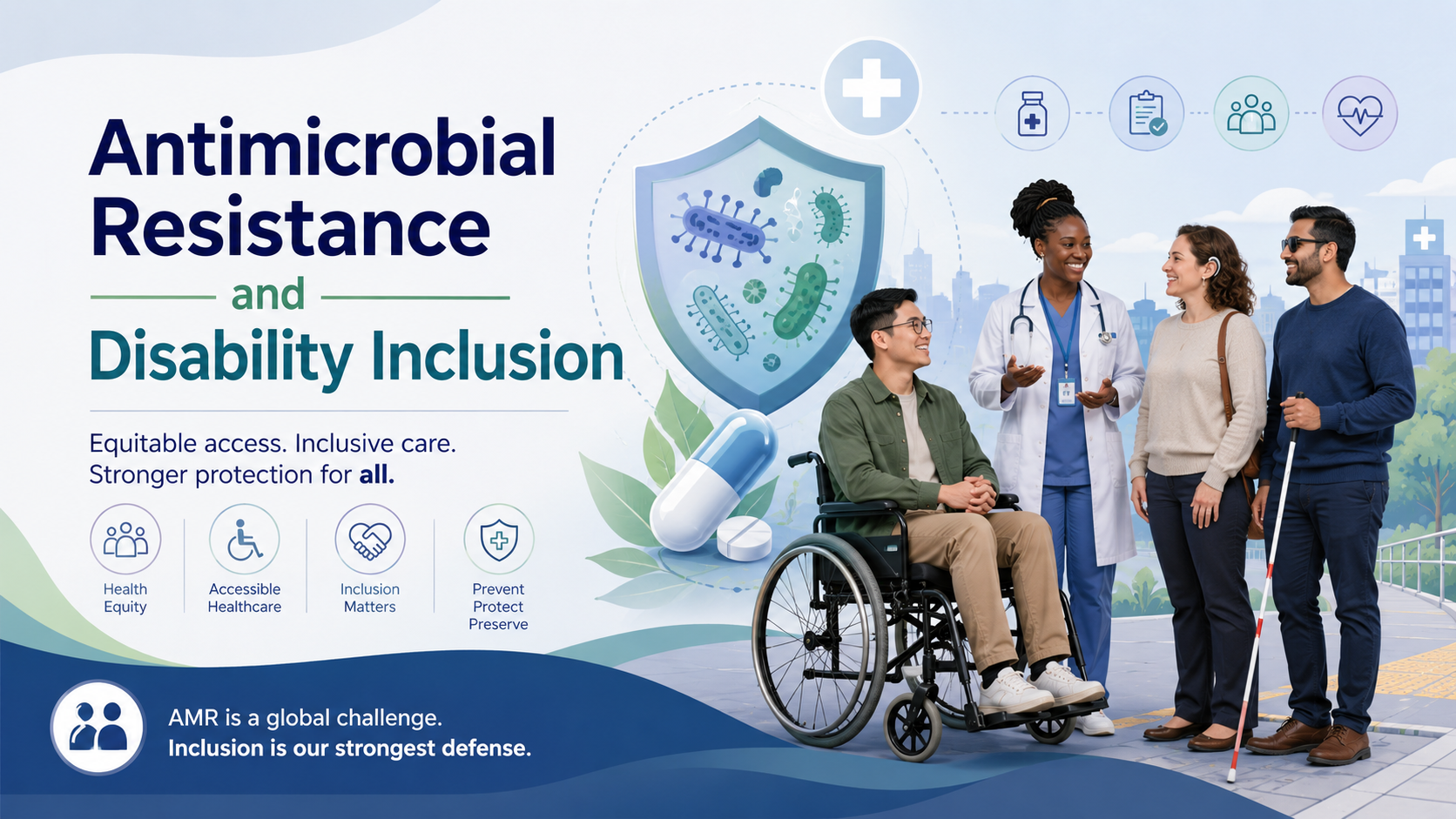
Why Antimicrobial Resistance Response Must Be Disability-Inclusive
Bacterial antimicrobial resistance was directly attributable to 1.27 million deaths in 2019, and around 1.3 billion people — roughly one in six worldwide — experience significant disability. Drawing on a 2024 correspondence in The Lancet, this article argues that disability inclusion belongs in AMR research, national action plans and antimicrobial stewardship from the start, not as an afterthought.
Read Article →
Does Vaping Increase the Risk of High Blood Pressure? What Our New Study Found
A systematic review and meta-analysis in the American Journal of Preventive Cardiology, covering 10 population-based studies and more than 700,000 participants, found no statistically clear link between exclusive e-cigarette use and hypertension — while dual use of e-cigarettes and cigarettes was associated with 41% higher odds of prevalent and 35% higher risk of incident high blood pressure.
Read Article →
Yusuff Adebayo Adebisi Identified as a Leading Contributor to COVID-19 Research in Nigeria
A bibliometric analysis in Public Health Challenges ranked Adebisi first among Nigerian authors by COVID-19 publication output, reporting 47 publications, 347 citations, an average of 7.4 citations per paper, and an h-index of 11 for the period assessed — a reminder of the growing role of young African scholars in global health research.
Read Article →
Quitting Smoking, Vaping, and Self-Rated Health: What a New Scottish Study Found
A study of 5,064 adults in the Scottish Health Survey (2017–2024) found that current e-cigarette users who were former smokers reported better self-rated health than current cigarette smokers — yet within the vaping group, perceived health did not clearly vary by how long ago people had quit.
Read Article →
Vaping Among Older Adults in Scotland: What a New Study Found
A nationally representative study of 13,297 adults aged 60 and over in the Scottish Health Survey (2017–2024) found current e-cigarette use was low at 4.5% but strongly concentrated among current and former smokers — declining sharply with age, higher in more deprived areas, and associated with poorer self-rated health.
Read Article →
Vaping, Smoking, and Teen Life Satisfaction: What a New Study in England Found
A national school-based study of 14,463 adolescents aged 11 to 15 in England found that current vaping, cigarette smoking, and dual use were all associated with lower life satisfaction than non-use — with dual users reporting the lowest levels — though the cross-sectional design cannot prove cause and effect.
Read Article →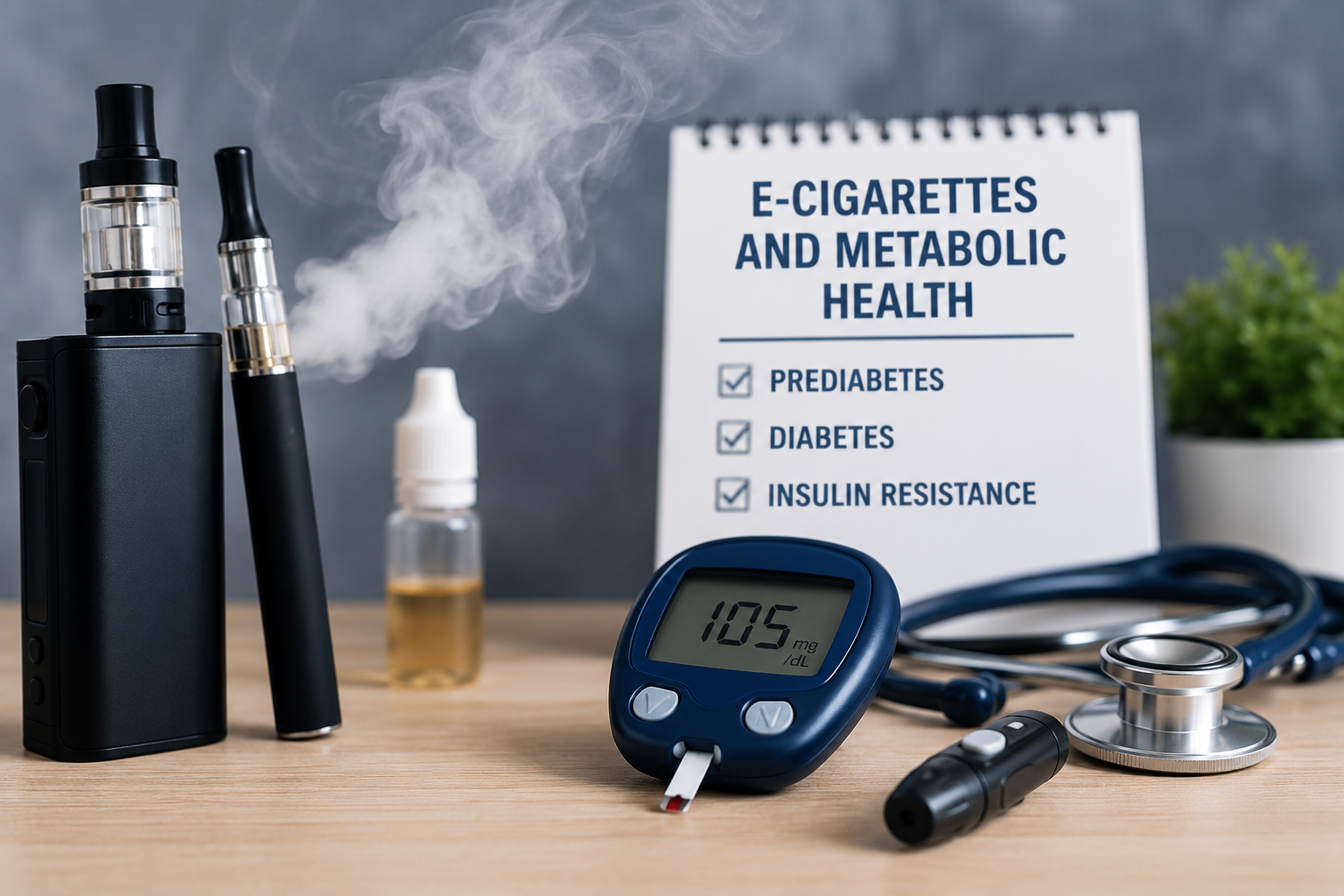
E-Cigarette Use, Prediabetes, Diabetes, and Insulin Resistance: What the Evidence Shows
A systematic review and meta-analysis of 10 observational studies and more than 2.8 million adults found exclusive e-cigarette use was not associated with diabetes, while dual use was — and cross-sectional evidence linked vaping to prediabetes and insulin resistance, with very low certainty overall.
Read Article →
Smoking, Vaping, and Oral Health: What a New Study of Adults in England Found
A population-based study of 6,027 adults using the 2021 Adult Oral Health Survey for England found combustible cigarette smoking and dual use consistently linked to poorer self-reported oral health, while findings for exclusive vapers require caution because most had previously smoked.
Read Article →
E-Cigarette Use, Smoking, and High Blood Pressure: What a New Scottish Study Found
A population-based study of 22,187 adults in the Scottish Health Survey found exclusive e-cigarette use linked to lower odds of doctor-diagnosed hypertension in adjusted models — but the association weakened after propensity score matching and does not show that vaping protects against high blood pressure.
Read Article →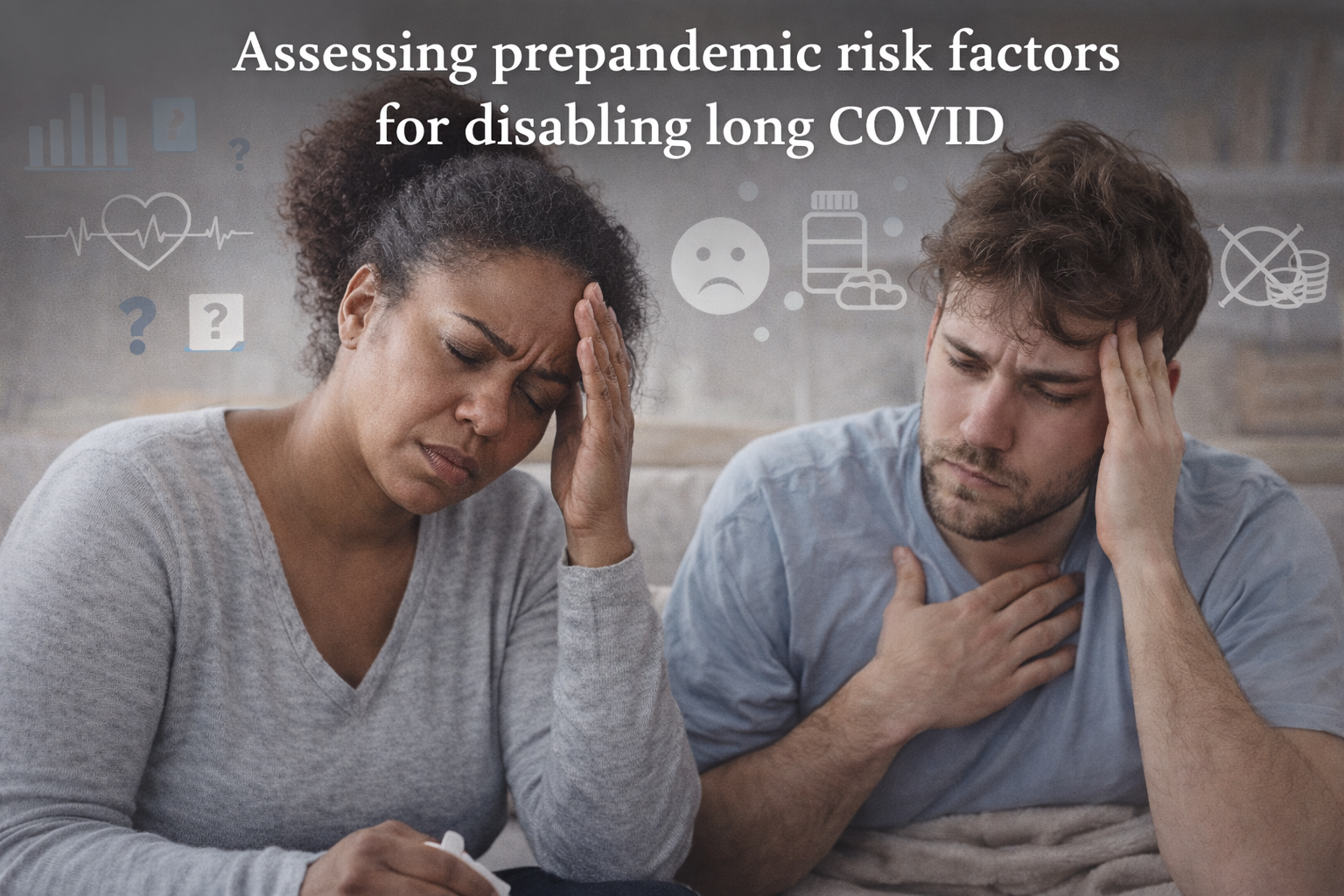
Who Was Already at Risk? What Prepandemic Life Tells Us About Disabling Long COVID
A prospective cohort analysis using UK Household Longitudinal Study data reveals that prepandemic health, mental distress, sleep quality and socioeconomic factors predicted who would develop disabling long COVID.
Read Article →
Why Smoking Cessation in Diabetes Care Is Still Treated Like an Optional Extra
Smoking cessation remains insufficiently integrated into diabetes management despite clear harms. A commentary on cessation inertia and why tobacco use should be treated as core diabetes care.
Read Article →
The Evidence Doesn’t Say That: On the New E-Cigarette Carcinogenicity Review
A critical reading of the 2026 Carcinogenesis review claiming e-cigarettes are “likely carcinogenic to humans.” The conclusion outruns the evidence it rests on.
Read Article →
Reflections from WNC Brussels 2026: Science, Policy, Equity, and the Future of Tobacco Harm Reduction
A personal reflection on the World Nicotine Congress 2026 in Brussels, exploring the science, policy, equity, and future of tobacco harm reduction, with a focus on Africa and the Global South.
Read Article →
When Vaping Overtook Smoking in Great Britain: What This Could Mean for Harm Reduction
In 2024, more adults in Great Britain used e-cigarettes than smoked tobacco for the first time. A commentary on what this milestone means for harm reduction and tobacco control.
Read Article →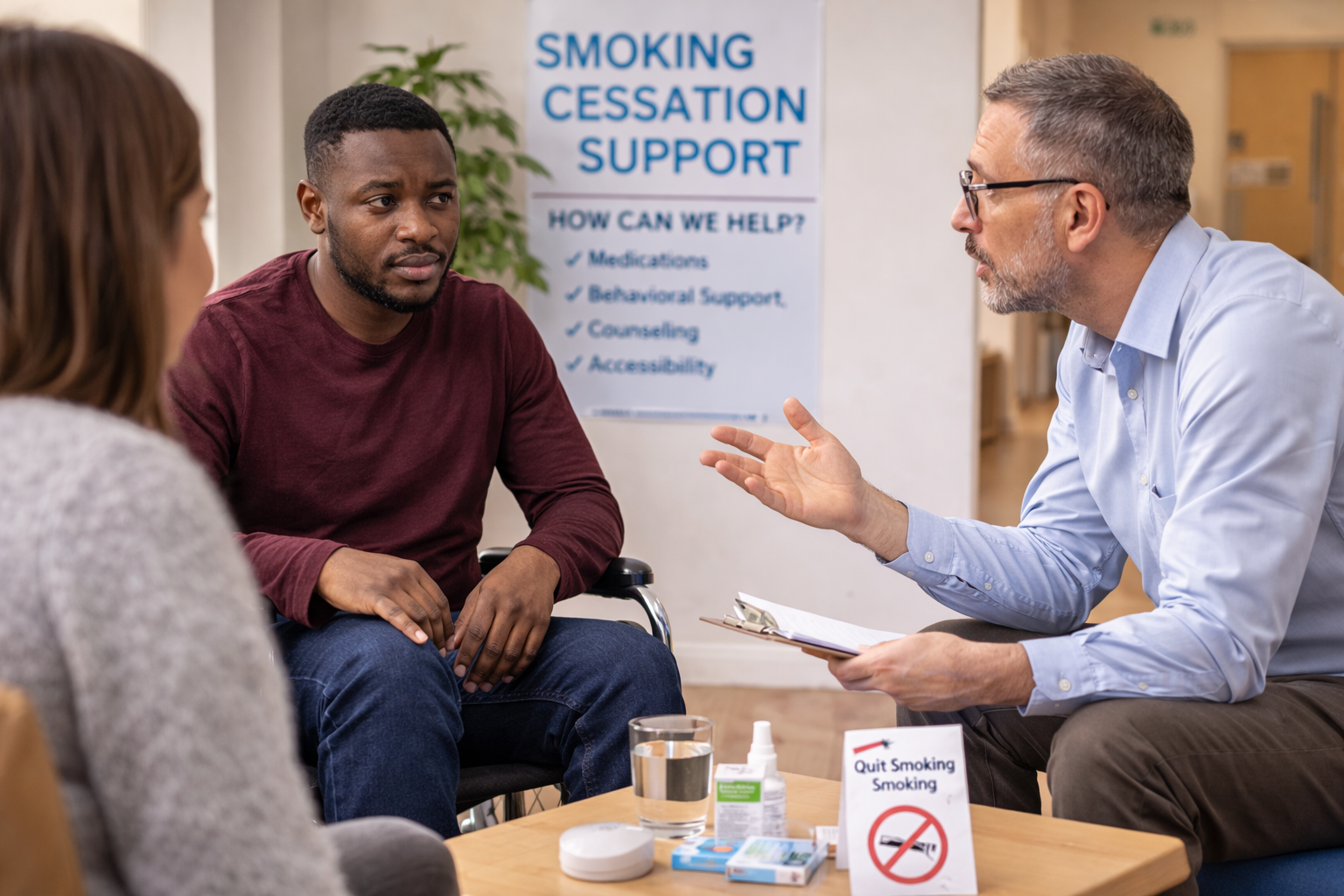
Beyond Willpower: What Our Study Reveals About Smoking Cessation Among Adults Living with Disability
Examining smoking cessation among 147,691 adults living with disability in the UK. Quitting smoking is shaped by social and economic conditions, not just individual behaviour.
Read Article →
Artificial Intelligence for Public Health in Africa: Why the Real Goal Is Public Value, Not More Pilots
Africa does not need more AI pilots. It needs AI that creates real public value — embedded in governance, aligned with national priorities, and designed to support health equity.
Read Article →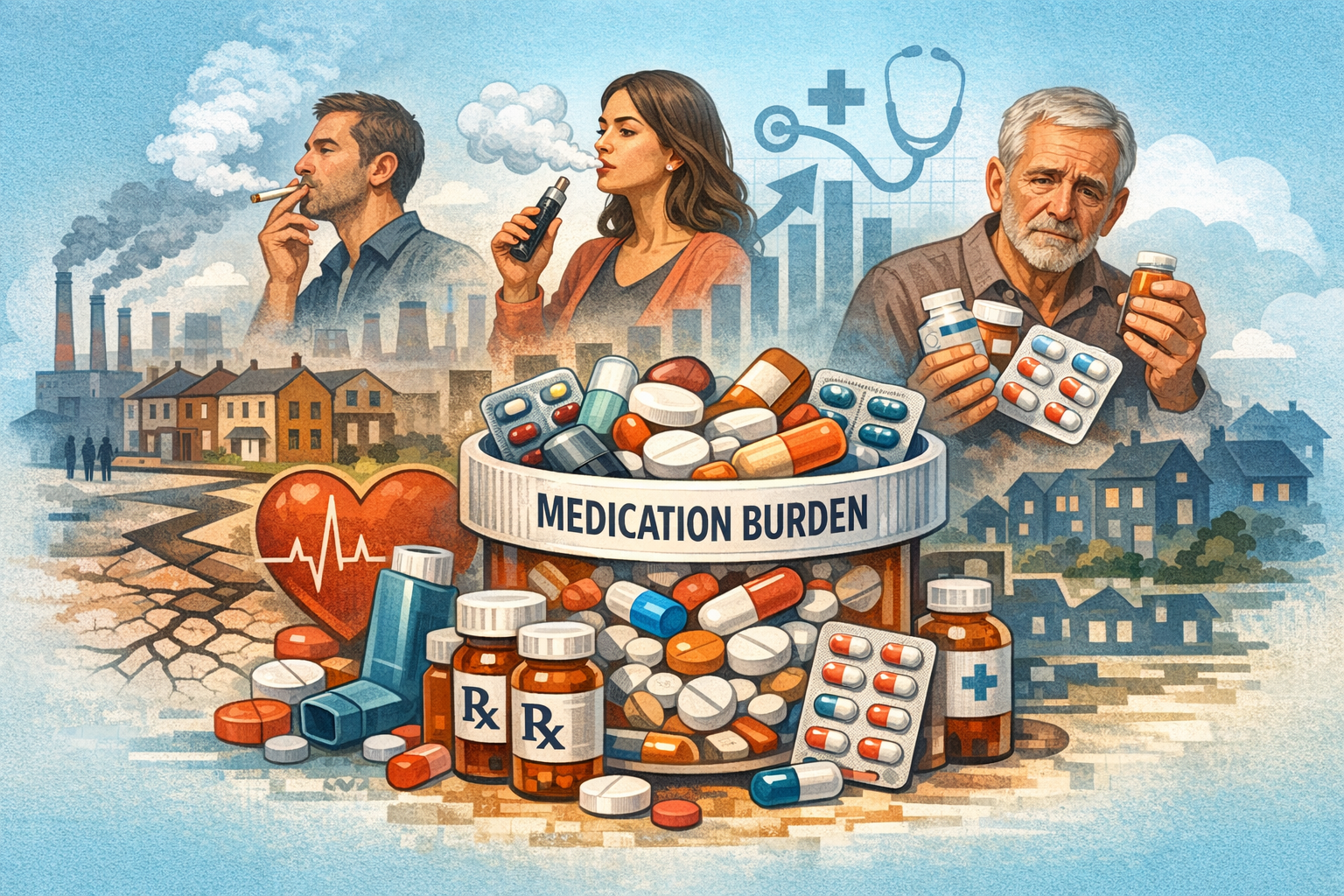
What Medication Burden Can Tell Us About Smoking and Vaping
A new open-access study examining how prescribed medication burden varies by smoking and e-cigarette use status in England, revealing that ex-smokers carry the highest burden.
Read Article →
Who Really Benefits from Vaping? New Evidence on Inequality and Tobacco Harm Reduction
An open-access critical review examining socioeconomic disparities in e-cigarette use and whether tobacco harm reduction is reducing or widening smoking-related inequalities.
Read Article →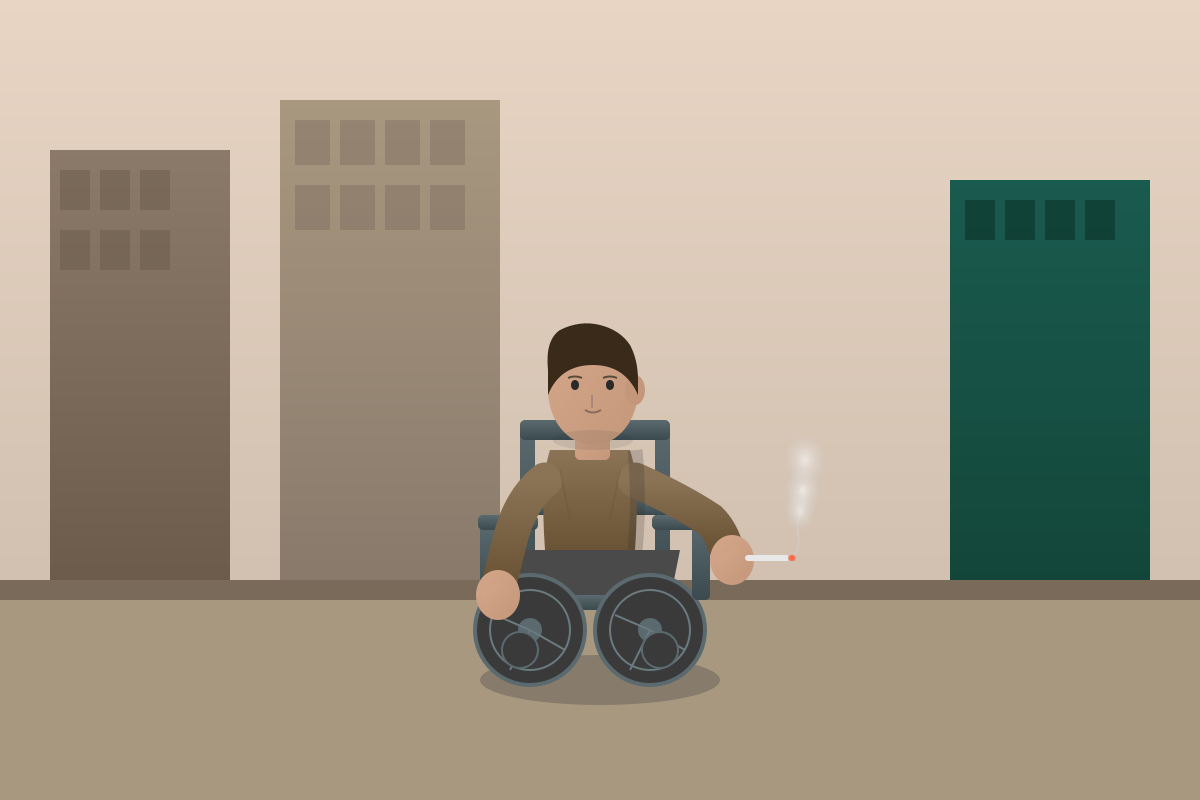
Smoking Inequalities and Disability in the COVID-19 Era: What the Data Reveal
Examining tobacco smoking disparities by disability status before and after COVID-19 using data from over 1.08 million UK adults. Persistent inequalities demand disability-inclusive tobacco control.
Read Article →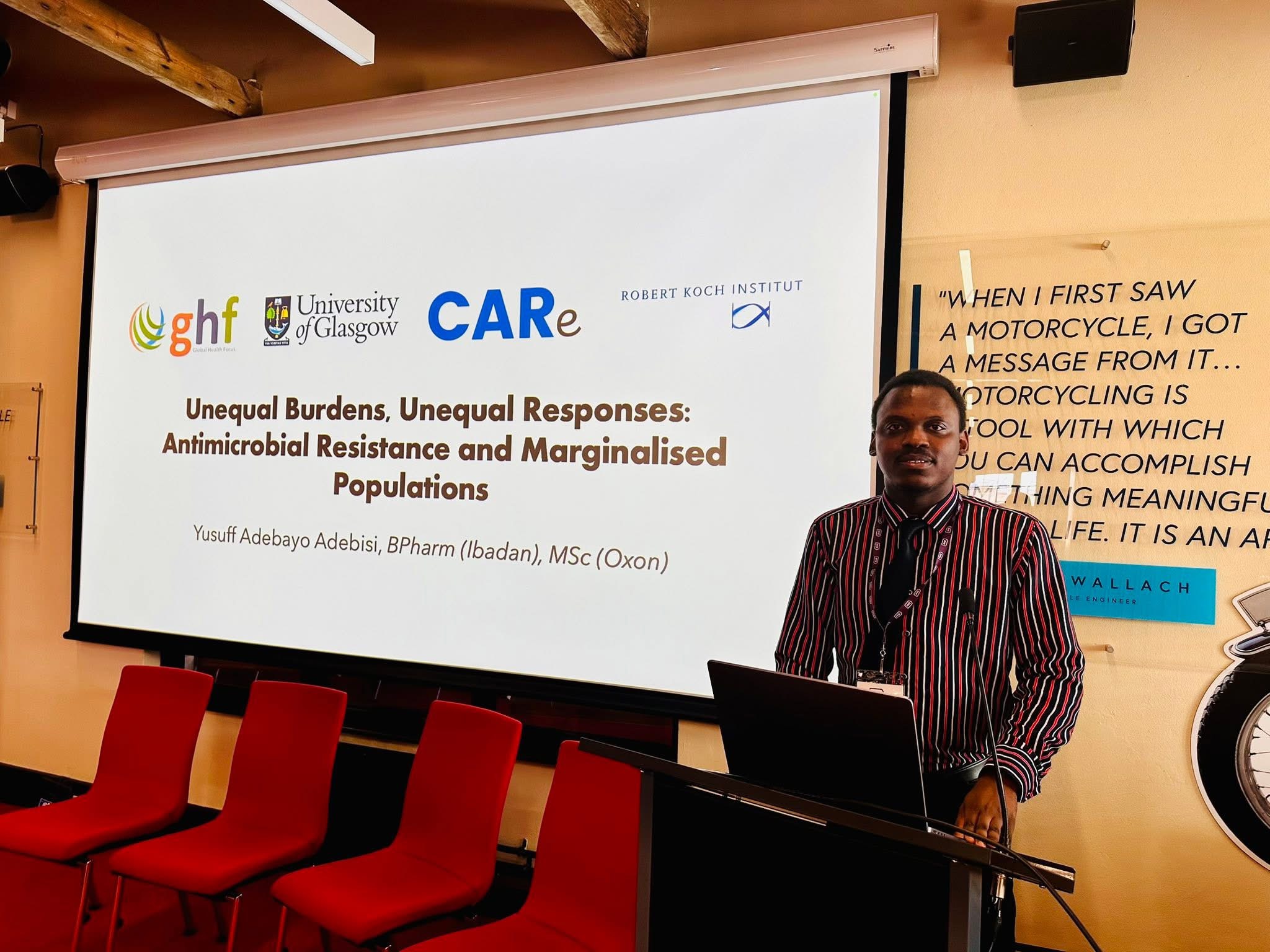
No One Should Be Excluded from the AMR Response
Antimicrobial resistance is shaped by social, economic, and structural conditions. A call for equity, inclusion, and a people-centred approach in Africa's AMR response.
Read Article →