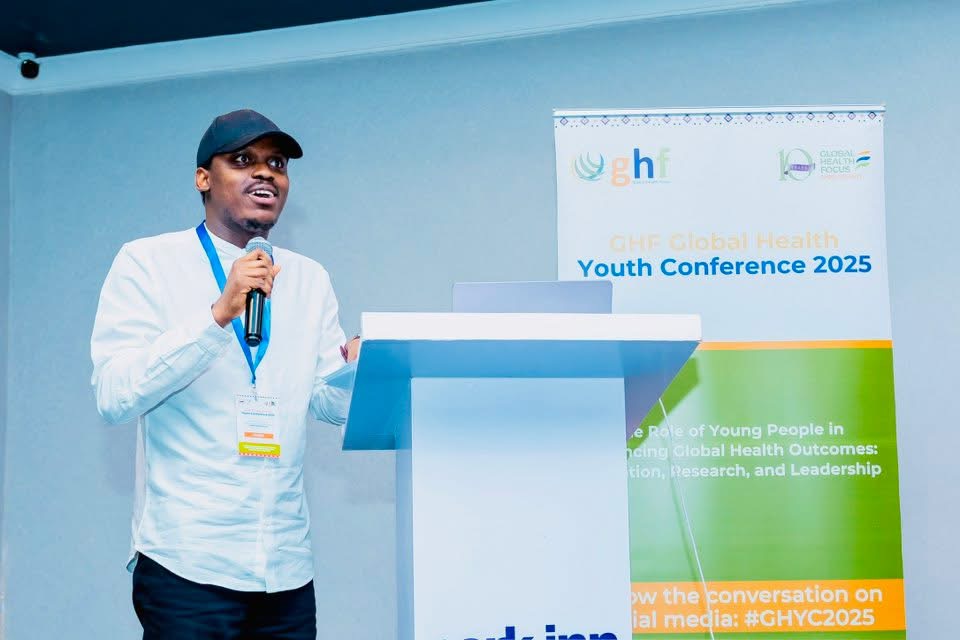
A bibliometric analysis published in Public Health Challenges has identified Yusuff Adebayo Adebisi as the leading Nigerian author by publication output in COVID-19 research during the study period. The article, titled Infoveillance and bibliometric analysis of COVID-19 in Nigeria, examined patterns of public information-seeking and research productivity related to COVID-19 in Nigeria, using Google Trends and Scopus data.
In its analysis of Nigerian COVID-19 research output, the paper ranked Adebisi first among the top Nigerian authors of COVID-19 publications. The study reported that he contributed 47 publications, attracted 347 citations, recorded an average of 7.4 citations per paper, and had an h-index of 11 within the period assessed. The ranking was based on total publication output, offering a data-driven picture of research contribution during one of the most significant public health emergencies of the 21st century.
Figures as reported for the period assessed in the bibliometric analysis.
Why this matters
The COVID-19 pandemic created an urgent demand for scientific evidence, public health communication, policy analysis, and locally relevant research. For Nigeria, as for many countries across Africa, the pandemic exposed deep challenges in health systems, emergency preparedness, health equity, vaccine access, misinformation, and public trust. At the same time, it showed the capacity of Nigerian researchers to contribute meaningfully to global knowledge production during a rapidly evolving crisis.
The scope of the work
Adebisi’s COVID-19-related work during this period cut across several areas of public health and global health, including health equity, pandemic governance, risk communication, vaccine equity, health systems, and the experiences of vulnerable and marginalised populations. Much of this work was produced collaboratively with researchers, practitioners, and advocates in Nigeria, across Africa, and internationally.
What bibliometric indicators can and cannot show
While bibliometric indicators do not capture the full meaning or real-world value of scholarship, they remain useful for understanding research visibility, productivity, and patterns of contribution. Publication counts, citations, and h-index values cannot fully measure whether research influenced policy, improved public understanding, strengthened institutions, or supported affected communities. However, they can provide one window into how researchers responded to an urgent global crisis.
Young African scholars in global health research
This recognition is therefore important not only as a personal academic milestone, but also as a reminder of the growing role of young African scholars in global health research. The pandemic demonstrated that African researchers are not simply observers of public health crises. They are contributors, collaborators, agenda-setters, and knowledge producers whose work can shape both local and global conversations.
The pandemic demonstrated that African researchers are not simply observers of public health crises. They are contributors, collaborators, agenda-setters, and knowledge producers whose work can shape both local and global conversations.
Wider lessons for Nigeria’s research landscape
The paper also highlighted broader issues in Nigeria’s research landscape, including the importance of institutional productivity, international collaboration, and research funding. These issues remain central to the future of public health research in Africa. Talent and commitment are widely present across the continent, but sustainable research leadership requires stronger local funding, better infrastructure, supportive institutions, and more equitable global partnerships.
Reflection rather than celebration
For Adebisi, being identified in this analysis is an opportunity for reflection rather than self-congratulation. It points to the importance of producing scholarship that is not only visible, but also rigorous, relevant, collaborative, and connected to real-world public health needs. Research matters most when it helps societies understand problems better and respond to them more fairly and effectively.
Looking ahead
As the world continues to learn from COVID-19, the responsibility of researchers remains clear: to ask better questions, generate credible evidence, communicate clearly, and keep equity at the centre of public health action. This bibliometric recognition is encouraging, but the larger task is to continue contributing to research that serves people, strengthens systems, and advances health justice.

Comments
Loading comments...
Leave a Comment
Share your thoughts on this article.