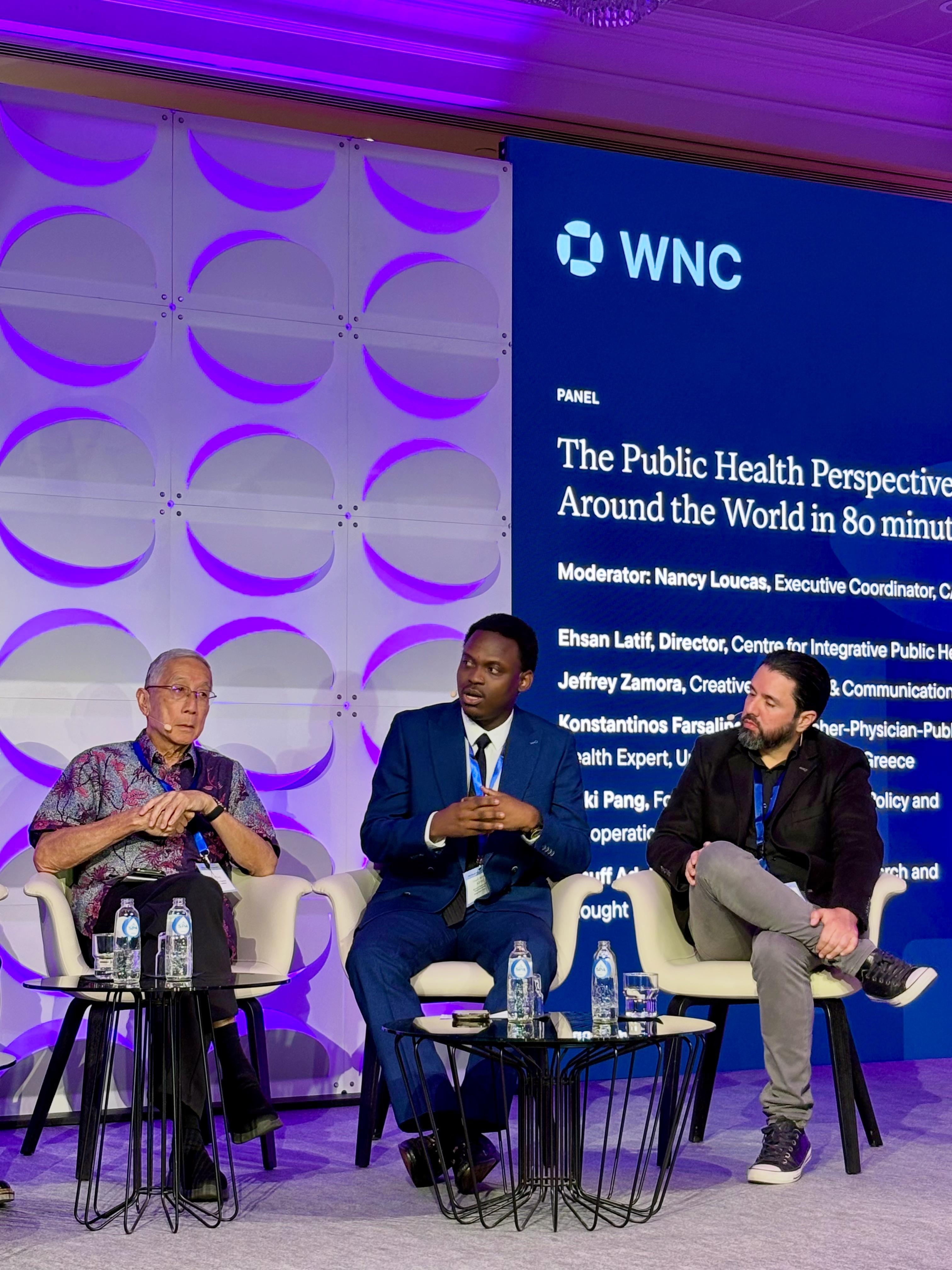
I recently attended the World Nicotine Congress (WNC) 2026, held from 23 to 25 March in Brussels, Belgium, at The Hotel Brussels, and it was one of the most thought-provoking gatherings I have attended in the tobacco harm reduction space. The event brought together researchers, clinicians, policy experts, regulators, advocates, industry representatives, and media voices from around the world to discuss the evolving science, politics, and public health implications of nicotine and safer alternatives to smoking.
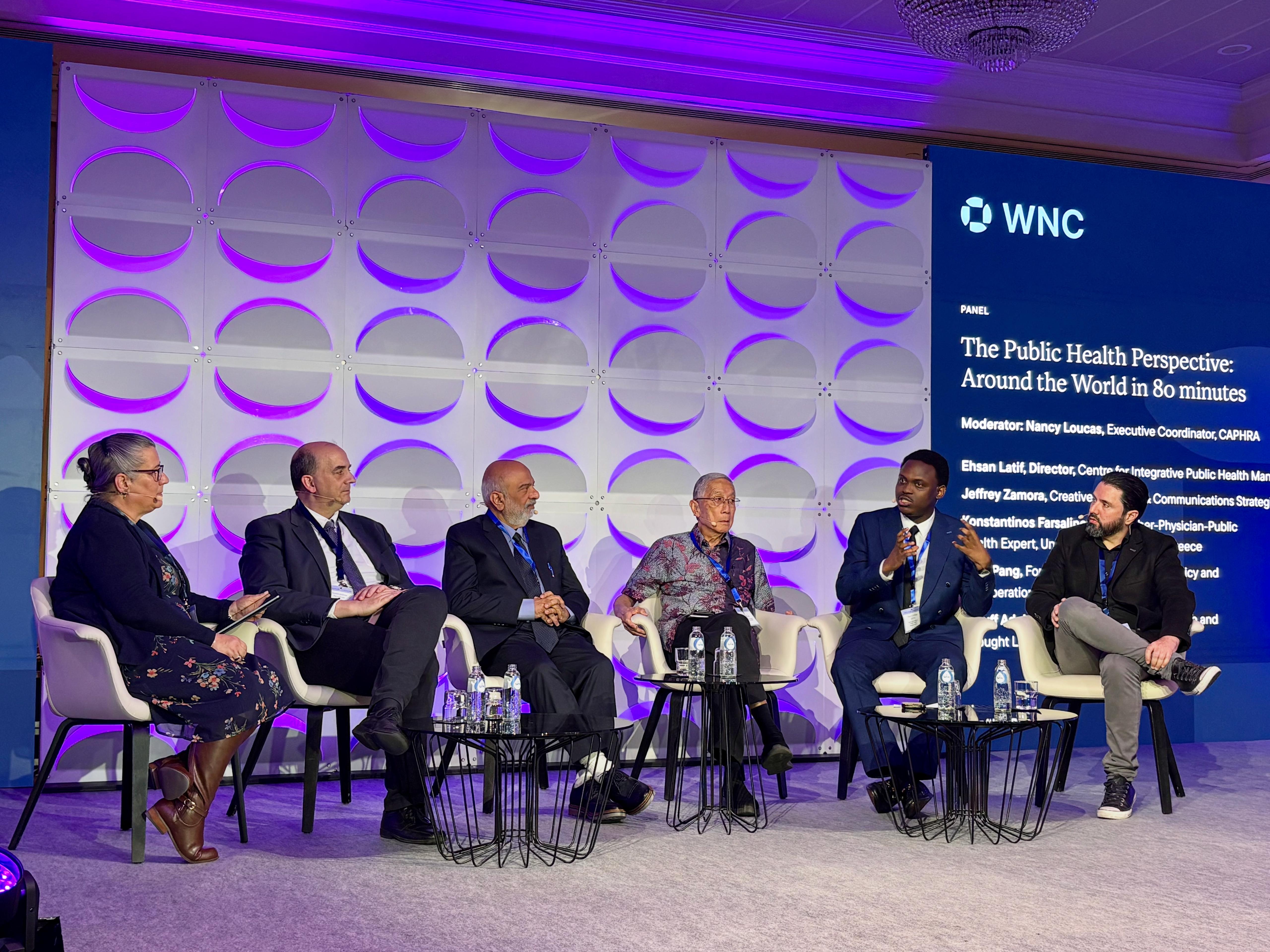
I was also honoured to speak on the Day 1 panel, “The Public Health Perspective: Around the World in 80 Minutes,” alongside distinguished global voices including Dr. Ehsan Latif, Jeffrey Zamora, Konstantinos Farsalinos, and Tikki Pang, under the moderation of Nancy Loucas. It was a valuable opportunity to contribute an African and broader Global South perspective to a conversation that too often remains dominated by narratives from a limited number of countries and institutions.
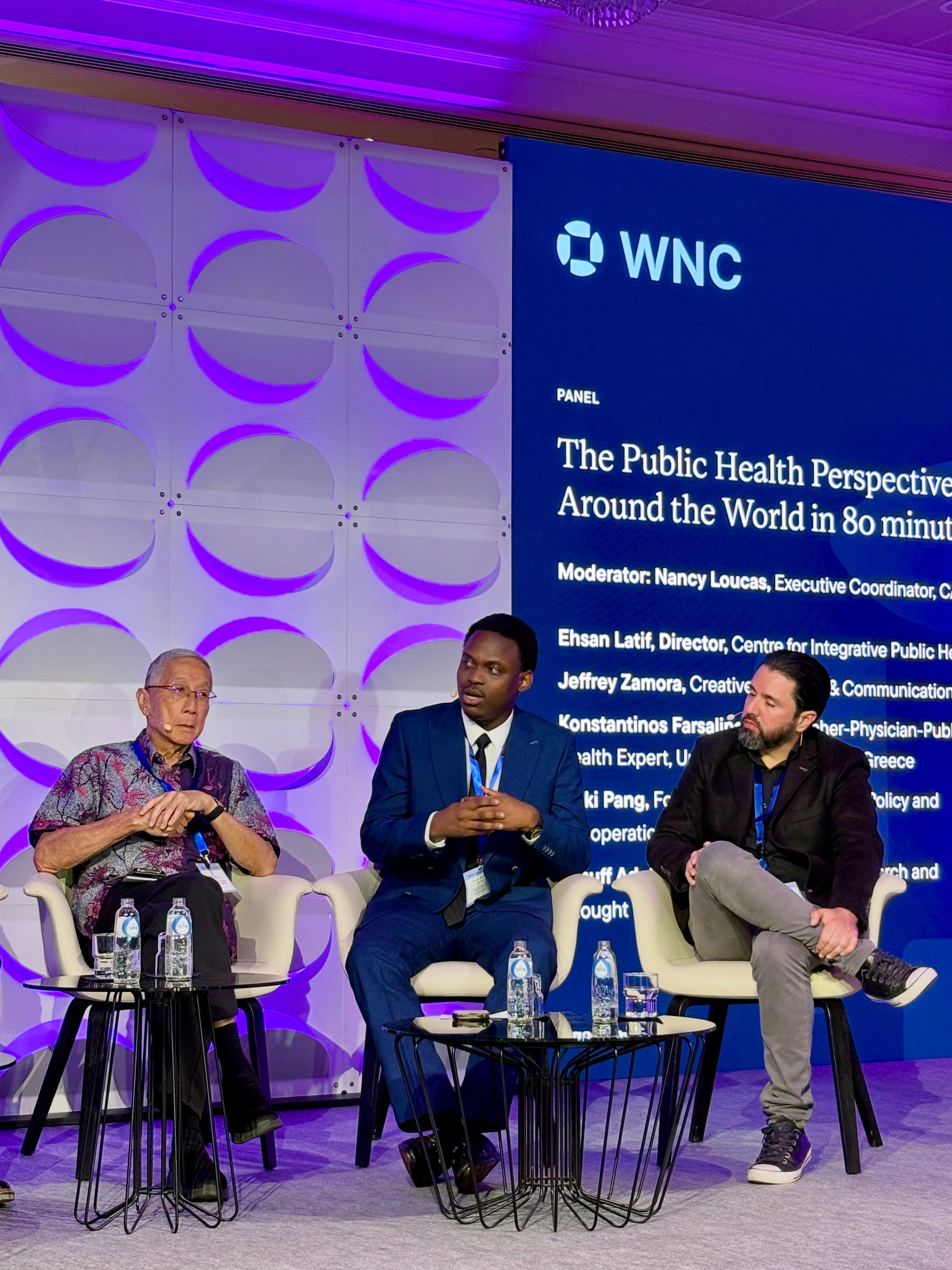
An African and Global South perspective on harm reduction.
In my remarks, I focused on the place of tobacco harm reduction in Africa and across low- and middle-income countries, stressing that these regions must not be excluded from the global harm reduction conversation. I highlighted the many challenges facing progress in these settings, including weak research funding, limited locally generated evidence, persistent misconceptions about safer nicotine products, poor risk communication, regulatory uncertainty, and the tendency for global policy debates to overlook the realities of lower-resource settings.
I also raised an important question that remains insufficiently addressed: who will fund tobacco harm reduction research in Africa and other LMICs? Without investment in independent, context-specific research, these regions risk being left with policies shaped entirely by evidence, priorities, and assumptions from elsewhere.
If tobacco harm reduction is to contribute meaningfully to global public health, then people in Africa, the Global South, and LMICs should not be treated as an afterthought. They should be recognised as central stakeholders whose health systems, smoking burdens, consumer realities, and policy needs deserve serious attention.
I argued that equity must be central to this conversation. I also stressed the need to correct misconceptions through honest, evidence-based public education, because misunderstanding relative risk continues to undermine informed decision-making among smokers, health professionals, and policymakers alike.
Science is advancing, but policy and perception lag behind.
One of the clearest takeaways from WNC Brussels 2026 was that the science on tobacco harm reduction continues to move forward, but policy and public perception are still struggling to keep pace. Across several sessions, speakers returned to a common theme: combustible tobacco remains the most dangerous form of nicotine consumption, yet many public conversations continue to blur the line between smoking and lower-risk nicotine products. This disconnect has real consequences. When risk communication is poor, smokers may be discouraged from switching to less harmful alternatives, policymakers may adopt overly restrictive approaches, and the public may become more confused rather than better informed.
This tension between evidence and perception was especially visible in sessions such as “Proof vs Perception” and “Performance Meets Perception.” These discussions highlighted a central challenge for public health: evidence alone is not enough. Scientific findings must also be translated clearly, responsibly, and credibly for policymakers, practitioners, and consumers. In many countries, debates about nicotine products are no longer defined only by what the evidence shows, but by how that evidence is framed, contested, or ignored. That is a major problem, especially in settings where smoking-related disease remains a substantial burden and where cessation support is still limited.
Equity and inclusion in the harm reduction conversation.
For me, this issue is particularly important in Africa and across other low- and middle-income settings. In many of these contexts, public health systems are already overstretched, access to smoking cessation support is inconsistent, and public understanding of tobacco harm reduction remains limited. At the same time, these regions are often expected to adopt strong policy positions without having the benefit of robust local research, sustained funding, or inclusive scientific debate. That is not a fair or effective way to make public health policy.
If the goal is truly to reduce smoking-related disease and death, then LMICs must be supported to generate their own evidence, shape their own priorities, and participate fully in the global discussion. Equity in this context is not just a moral principle. It is a practical necessity for sound and inclusive public health action.
A truly global conversation.
Another important takeaway from WNC was the increasingly global nature of the harm reduction conversation. The panel I participated in reflected this directly, with perspectives spanning multiple regions and policy environments. What became clear is that there is no one-size-fits-all approach. Countries differ in their regulatory traditions, disease burdens, health system capacity, and social attitudes toward nicotine. Yet across these differences, one shared question persists: how can public health reduce the harm caused by smoking while remaining grounded in evidence, proportionality, and the realities of people’s lives?
That question is especially important in low- and middle-income countries, where tobacco-related harms remain high, cessation services may be weak, and access to accurate information is often uneven.
Regulation, taxation, and the political landscape.
WNC also reinforced how much the nicotine policy landscape is being shaped by regulation, taxation, and political decision-making. Sessions on the Tobacco Products Directive and Tobacco Excise Directive made clear that the future of nicotine products will not be decided by science alone. It will also depend on how governments classify products, how they balance youth protection with adult harm reduction, and whether fiscal policy reflects relative risk or treats all nicotine products as essentially the same. These are not minor technical questions. They will shape affordability, access, innovation, and ultimately health outcomes.
The power of communication and narrative.
A further theme that stood out was the role of communication. From the evening reception on Global Perspectives to the Day 2 media-focused session, there was a clear recognition that the nicotine debate is not merely scientific or regulatory, but also deeply narrative-driven. Who gets to speak? Which evidence gets amplified? Which concerns are prioritised? And whose lived realities are taken seriously? These questions matter greatly. Misinformation, oversimplification, and moralised debates can all undermine public understanding. For researchers and advocates, this means that generating evidence is only part of the task. We must also communicate it well, defend its integrity, and ensure that discussions remain connected to real public health goals.
If smokers are to make informed choices, and if policymakers are to design proportionate regulation, then public communication must improve. This requires more than slogans or advocacy. It requires credible science, transparent dialogue, local engagement, and the willingness to address uncertainty honestly while still communicating what is already well understood about relative risk.
This is especially relevant to the challenge of correcting misconceptions about tobacco harm reduction. In many countries, including those in Africa and the wider Global South, misinformation about nicotine is widespread. Safer alternatives are often discussed as though they are equivalent to combustible tobacco, and that misunderstanding affects both policy and personal behaviour.
AI, emerging technology, and real-world evidence.
Day 3 added another layer to the conversation by exploring AI, emerging technology, illicit trade, consumer voices, and real-world evidence. The session on AI and technology was particularly interesting because it signalled where the broader field may be heading. While some of this remains exploratory, it is clear that innovation is likely to affect not only products themselves but also surveillance, regulation, compliance, and consumer engagement.
At the same time, discussions on illicit trade and consumer perspectives served as an important reminder that public health policy does not operate in a vacuum. Poorly designed regulation can create unintended consequences, including black markets and reduced trust, while excluding consumers from policy conversations can lead to interventions that are detached from behavioural realities.
Looking ahead: equity at the centre.
For me, one of the most meaningful aspects of WNC Brussels 2026 was the chance to represent a public health perspective that is attentive to evidence, equity, and global diversity. Too often, discussions in this space become polarised in ways that obscure the core issue: how to reduce disease and death caused by smoking. That goal should remain central. Public health must be willing to engage critically but fairly with the evidence on harm reduction, particularly where there is potential to help people who smoke but are unable or unwilling to quit nicotine altogether. But it must also ensure that this potential is not reserved only for high-income countries with more resources, louder voices, and greater influence over global narratives.
The future of nicotine policy must be guided by scientific integrity, honest risk communication, and a commitment to reducing harm at population level. But it must also be guided by equity. A truly global public health approach must include everyone, not just those whose voices are already most heard.
Overall, WNC Brussels 2026 was a valuable and timely event. It brought together competing viewpoints, emerging evidence, and practical policy questions in a way that encouraged both reflection and debate. If public health is serious about saving lives, then it must be serious about ensuring that Africa, the Global South, and other low- and middle-income countries are not excluded from research, policy development, or access to potentially lower-risk alternatives.

Comments
Loading comments...
Leave a Comment
Share your thoughts on this article.