
I was pleased to contribute to the 5th Annual New Approaches UN Week Forum, held in New York during UN General Assembly week.
The forum brought together researchers, policymakers, regulators, public health experts, advocates and other stakeholders to discuss tobacco control, harm reduction, policy, science and innovation.
Watch: why adults who find quitting difficult should consider switching to e-cigarettes.
While at the summit, I was interviewed for New Approaches: The 2026 Interview Series. In the video below, I explain that there is now overwhelming evidence that vaping e-cigarettes likely poses substantially lower health risks than smoking cigarettes, and so adults who find quitting smoking difficult should consider switching to e-cigarettes to reduce their health risks.
Yusuff Adebisi: People who find quitting smoking difficult should try switching to e-cigarettes
Yusuff Adebayo Adebisi (Pharmacist & Epidemiologist, College of Social Sciences, University of Glasgow; Director of Research at Global Health Focus) explains there is now overwhelming evidence that vaping e-cigarettes likely poses substantially lower health risks than smoking cigarettes, and so adults who find quitting smoking difficult should consider switching to e-cigarettes to reduce their health risks.
Filmed at the 5th New Approaches Summit for “New Approaches: The 2026 Interview Series”, an initiative of Russell Burnett Research and Consultancy (RB) and the New Approaches Summit. Interview conducted by Christopher Russell, Ph.D. (Director, RB), 25 September 2026 at The Harvard Club of New York City, New York, NY. Filmed and produced by Raised Media Co. Watch on YouTube.


Global Equity: Bridging Policy & Reality in LMICs.
I joined the panel on Global Equity: Bridging Policy & Reality in LMICs, where we discussed what smoking cessation and tobacco harm reduction look like in practice across low- and middle-income settings.


Why locally generated research matters.
A key point I emphasised during the discussion was the need for more locally generated research. Context matters. Access to cessation support, product availability and affordability, regulation, youth prevention, risk communication, perceptions of nicotine, healthcare-provider engagement and cultural attitudes can differ substantially between countries.
There is therefore an urgent need to better understand local contexts so that smoking cessation and harm reduction approaches are relevant, effective and responsive to the communities they are intended to serve.


Next steps: a working group for Africa and LMICs.
One important outcome from the meeting is that I will be leading a working group developing a paper on practical strategies to advance smoking cessation and tobacco harm reduction across Africa and other low- and middle-income countries.
The planned work will consider how evidence-based approaches can be adapted to different health systems, regulatory environments, resources and population needs.

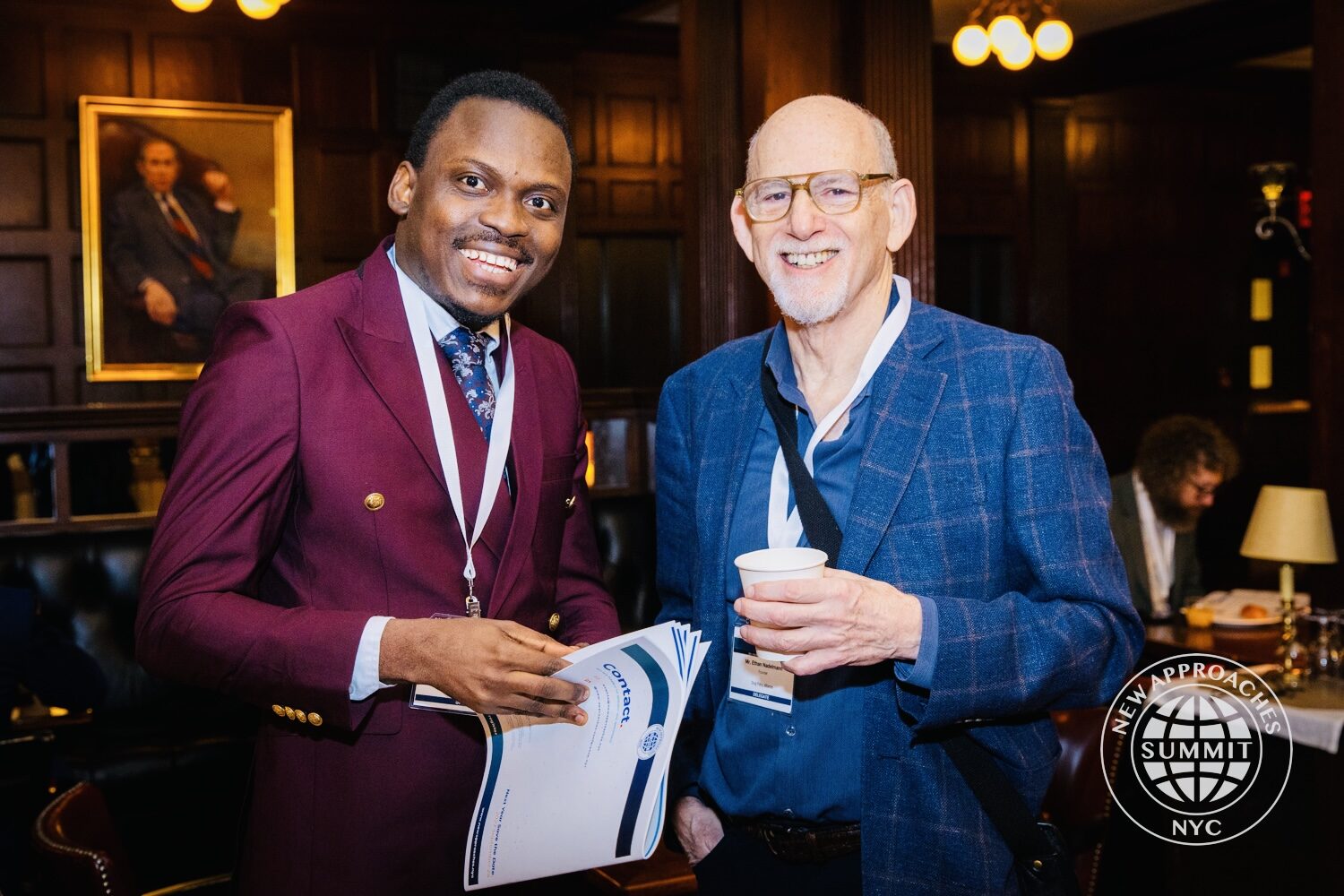
Taking science into the room.
For me, the meeting was also a reminder that research should not end at publication. There is value in taking science into the rooms where evidence, policy and implementation are being discussed.